
Haverstraw’s Farmers Market
October 3, 2017
Visit the Haverstraw Farmers Market. … More Haverstraw’s Farmers Market
Visit the Haverstraw Farmers Market. … More Haverstraw’s Farmers Market

It’s time to celebrate Haverstraw’s Second Annual Juneteenth, a celebration commemorating the ending of slavery in the United States! … More Juneteenth and the Forgotten: Haverstraw’s Underground Railroad
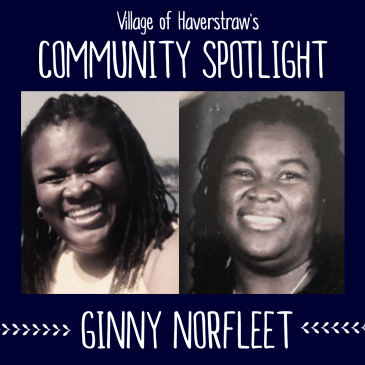
Virginia ‘Ginny’ Norfleet, is more than just a resident of Haverstraw; she connects with and brings people within community together. Her passion, dedication and love for Haverstraw has helped to unearth a hidden history within the town. There were African slaves in Haverstraw during the 1800s. Ginny has dug deep to uncover the untold stories of the brickyard workers here in Haverstraw, and has built a memorial park to honor and respect those whose voices were silenced. But this is just the beginning of Ginny’s journey to bring forth the deep, rich history that Haverstraw is hiding beneath the clay. … More Community Spotlight: Virginia ‘Ginny’ Norfleet
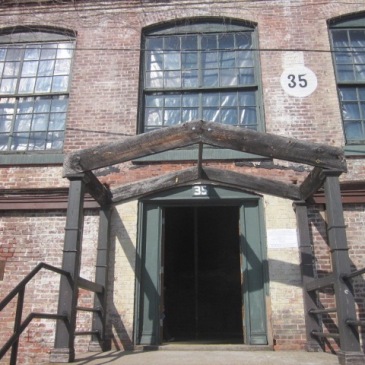
Haverstraw, N.Y. is a microcosm of the region. From taking in crisp morning air on top of a mountain peak, to lunch in a diverse urban downtown, and ending with a rivertown sunset, you can have it all in Haverstraw. Garnerville brings us yet another type of experience that makes Haverstraw even more unique. If you’ve … More Going GAGA for GARNER: Weaving Art into a Community

Ascending the front porch stairs and entering the antechamber of Casa Hudson (Haverstraw, N.Y.) elicits the same feeling of anticipation as one experiences as he or she moves through the warren of passageways and staircases at Grand Central before emerging into the Great Hall of the upper concourse. Before you pass the threshold, you can sense something … More Casa Hudson: An Upstate Penzione
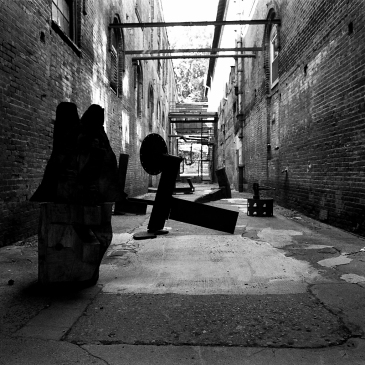
This article was previously and originally featured in the Rockland County Times. Photos by Thomas McGuire. To find a true, growing and bustling economy in Rockland County, one must look to the 19th century. Prior to Euclidean zoning rules, which effectively ended real economic growth in the suburbs and thereby forcing further dependency on New … More The Garnerville Company Town

Looking for some good eats, but still waiting for that Friday paycheck? Well look no more! Rockland County is coming up with some cool new ways to make eating out stress-free and budget friendly. … More Get Your Foodie on in Rockland County
The deadliest man-made disaster to strike Haverstraw was the the Great 1906 Landslide, which claimed the lives of 19 while they were sleeping on the night of January 8, 1906. The ground beneath their homes gave way and slid into the adjacent excavation pit as the Village’s brick making companies routinely undermined the Village of … More Headlines from the Great 1906 Landslide
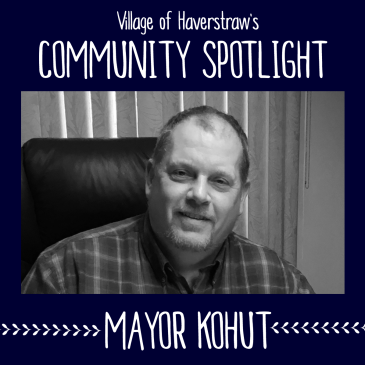
Mayor Kohut, a resident of the village of Haverstraw, and successfully carries out a dual role as both a government official, and an active member of the community. HaverstrawLife got an inside scoop into the life of Mayor Kohut, both in and outside of the office! … More Community Spotlight: Mayor Michael Kohut

HaverstrawLife is introducing a feature to our site called COMMUNITY SPOTLIGHT! Every month, we will be interviewing and learning about a Haverstraw local that has made an impact (or large contributions) to our community. We want thank those who help make Haverstraw an amazing place to live and do business. Visit the Community Spotlight page to catch all … More Introducing Community Spotlight!

Lucas Candies, the oldest Chocolate Shop in New York State, celebrated their 120th anniversary by handmaking traditional candy canes. … More Lucas Candies Celebrates 120 Years With Famous Handmade Candy Canes!
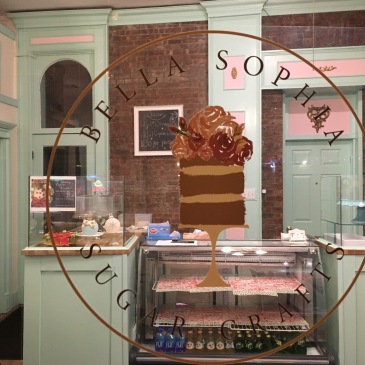
Today is National Cupcake Day! Yes, seriously, there is such a thing. And the best place to celebrate in the Lower Hudson Valley is Bella Sophia Sugar Crafts in Haverstraw. The dessert parlor and bakery sells their mouth-watering (and gorgeous) desserts, hosts classes to create your own, and takes orders for more substantial treats (like wedding cakes; Bella is renowned for their cakes and have been featured on The Knot, etc.). … More Celebrate National Cupcake Day at Bella Sophia Sugar Crafts!

Looking for something to do during those cold December days? You don’t have to drive far to have fun this month! Here are some things that you can do in the Lower Hudson Valley this winter and still stay warm! … More 16 Things to do in the Lower Hudson Valley this December

Written by Debbie Ali Emeline Park Pier, Haverstraw Bay, Haverstraw, NY. Photo taken by Debbie Ali. It was a warm mid-summer day when we pulled up to our house, and saw luscious green grass, a beautiful Japanese maple tree, and an enchanting craftsman bungalow with a wrap around porch. This was it. This was … More The Widest Point on the Hudson: From NYC to Haverstraw
 HaverstrawLife.com